Spring Deep Cleaning Checklist for UK Homes: 7 Areas People Forget
Spring cleaning tends to cover the same ground every year: windows, ovens, wardrobes. The jobs that genuinely change how a home feels are the ones that rarely make it onto a list, because you only notice them when you are at eye level with them or dragging furniture out of the way.
What follows is a working checklist of seven areas UK homes most often skip, with a sensible method for each. Individually they take fifteen minutes or so. Together they are the difference between a house that looks clean and one that actually is.
1. Extractor hood filters and the housing behind them
The metal cassette filters in a cooker hood are designed to be washed, and most people never do it. Grease builds up until the mesh stops trapping anything and the kitchen takes on a faint smell of last week's cooking.
For a standard aluminium mesh filter:
- Lift the filter out. Most click out from the front; a few need a screwdriver.
- Soak it in a sink of hot water with a good squeeze of washing-up liquid and a couple of tablespoons of bicarbonate of soda for about fifteen minutes.
- Scrub with a non-scratch pad, rinse, and let it dry fully before refitting.
If your hood recirculates air rather than venting outside, it will also have a charcoal filter. Those cannot be washed — they are meant to be replaced, so check the manufacturer's guidance for your model. While the filter is out, wipe the underside of the hood and the metal housing behind it, and give the outside of the chimney a pass with a degreaser.
2. Skirting boards, door tops and architraves
Skirting boards hold dust along the top edge, and it is the first thing you see when you sit on the floor — which most of us do only at Christmas and when assembling flat-pack furniture. Vacuum them first with a brush attachment, then wipe with a cloth wrung out in warm water and a little sugar soap. Work in sections along the wall so you are not dragging dirt back over what you have just cleaned.
Then look up. The top of a door, the top edge of the door frame and the architrave above a doorway all collect a fine grey layer that stays invisible until you run a finger along it. A microfibre cloth on a long handle handles this without a stepladder. Wipe around door handles and light switch plates in the same pass; that is where the grime really lives.
3. Behind and under the big appliances
The gap behind a fridge, washing machine or tumble dryer is a dust trap that also affects how well the appliance runs. A build-up of fluff on the condenser coils at the back of a fridge makes it work harder than it needs to, and the same fluff around a dryer is a fire risk worth taking seriously.
Unplug anything you intend to move, and ask for help with heavy items. Two useful jobs once you have a gap:
- Vacuum the coils or vents at the back of the fridge and the wall behind it, then wipe the floor.
- Clean the filter behind the washing machine's kickplate and the detergent drawer. Expect water, so put a towel down first.
Never move a gas appliance yourself — not even a few inches to sweep behind it. That is a job for a Gas Safe registered engineer. If an appliance is too heavy or plumbed in awkwardly, clean as far as you can reach with a crevice tool and leave it at that.
4. Mattress edges, seams and the bed base
Sheets get washed; the mattress underneath gets forgotten. Dust, skin cells and dust mite matter concentrate along the piped edges and in the seams, which is exactly where a vacuum nozzle rarely goes.
Vacuum the whole surface with an upholstery attachment, pressing gently along the edges and into the seam lines, then do the other side if the mattress can be flipped. Sprinkle bicarbonate of soda over it, leave for fifteen to thirty minutes, and vacuum it off. Check the care label before flipping or rotating — many modern mattresses are one-sided.
While the bed is stripped, vacuum the divan base or the slats, and pull out anything stored underneath. Under-bed boxes collect dust on top far faster than anyone expects.
5. Radiators and the wall behind them
Radiator fins act like a dust magnet, and the wall behind a radiator goes grey within a season. A long radiator brush or a cloth wrapped around a ruler gets between the panels; a vacuum with a crevice tool clears the worst of it first.
With the heating off and the radiators cold, bleed them using a radiator key, holding a cloth underneath to catch drips. If a radiator stays cold at the bottom or the system needs frequent bleeding, that is worth mentioning to a heating engineer rather than guessing at it.
6. Window tracks, trickle vents and curtain headings
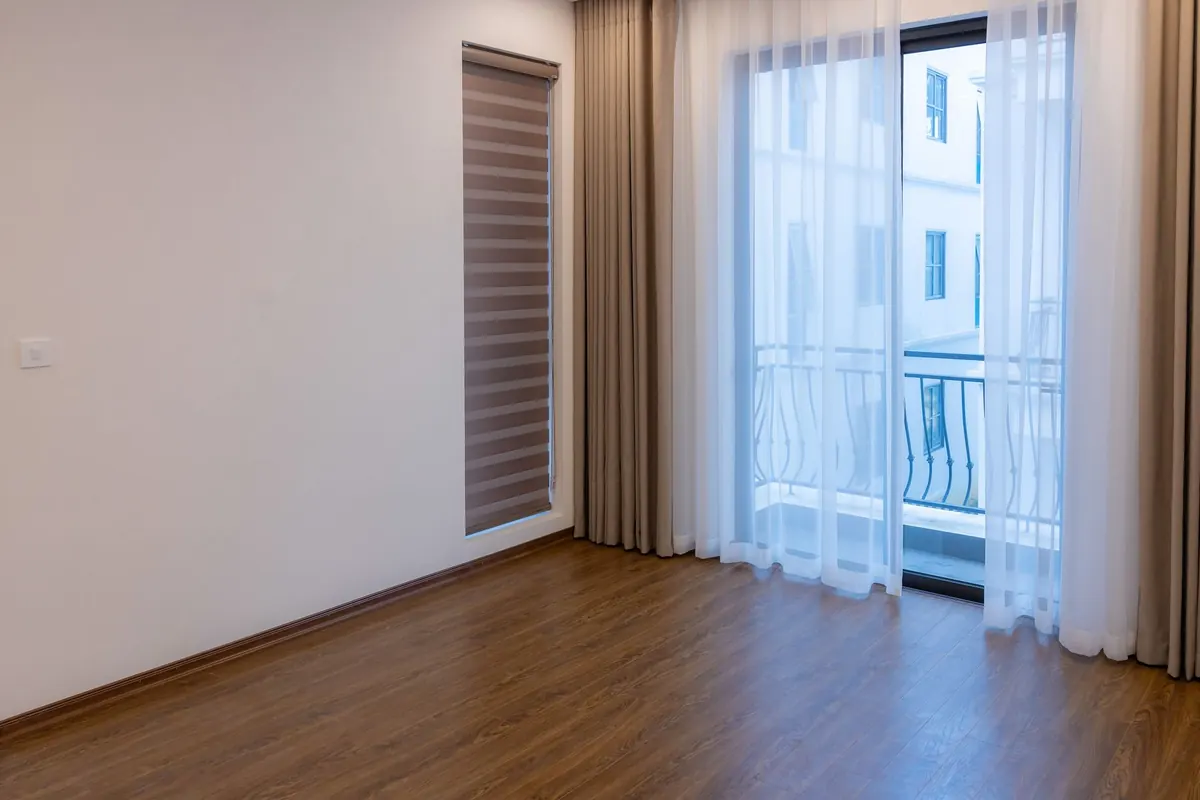
Window frames get wiped; the tracks underneath them do not. Run a vacuum crevice tool along the channel, then wipe with a damp cloth wrapped around an old toothbrush or a flat screwdriver to reach the corners. Clean the trickle vents on modern windows at the same time — they clog with dust and stop doing their job.
Curtain headings and hems hold a surprising amount of dust. Vacuum them with an upholstery tool on a low setting, or take them down and wash them if the care label allows. If you find black speckling around a window that keeps coming back, that is likely to be damp-related rather than dirt, and it is worth getting proper advice on ventilation instead of simply cleaning it again.
7. The tops of cupboards and anything above head height
Kitchen wall cupboards gather a sticky film of cooking grease on top that dust then sticks to. Wipe with a degreaser, dry, and consider lining the top with a sheet of kitchen paper that you can simply replace next spring.
The same applies to the top of the fridge, the top of the boiler cupboard, picture rails and high shelves. Keep it simple:
- Wipe the outside casing of a boiler only. Anything inside it is a job for a Gas Safe registered engineer.
- Use a long-handled duster for shelves you cannot see, and work from the top of the room downwards.
Working through it without losing a weekend
You do not have to do all seven in one go. Pick two a weekend and you will be through the list within a month, without the resentment that comes from a single punishing Saturday.
The order that saves the most effort: dust and vacuum first, wet-wipe second, floors last. Move one room at a time rather than flitting between tasks, and keep a caddy with you — microfibre cloths, a non-scratch pad, sugar soap, bicarbonate of soda, a degreaser, a crevice tool and a radiator brush will cover almost everything here.
Start with the extractor filter, because it is the one that makes the kitchen smell different. Then set a timer for fifteen minutes on the skirting boards. If any of it feels like more than you want to take on, a one-off deep clean is a perfectly reasonable thing to book, and it is usually the neglected areas above that make the biggest visible difference.
Photo: Vitaly Gariev / Pexels