Beginner's Guide to Cleaning Your First UK Flat: Essential Kit and Simple Routines
Your first flat comes with a list of firsts: the first council tax bill, the first argument with a recycling bin, and the first time the cleaning is entirely your responsibility. Nobody teaches this. You inherit habits from wherever you grew up, and suddenly you are standing in a supermarket aisle wondering whether you need three different sprays or just one.
The honest answer is that a small flat needs very little. A modest box of products, a handful of tools and a routine that takes minutes rather than hours will keep the place in good shape and protect your deposit at the end of the tenancy. Here is what to buy, what to skip, and how to keep on top of it.
Build Your Starter Kit
Buy the basics once and replace them as they run out. Most of these are cheap, and none of them require a specialist shop.
- Microfibre cloths — buy a pack of five or more. They clean glass and stainless steel without streaks.
- Two sponges and a non-scratch scourer — keep one sponge for the kitchen and one for the bathroom.
- Washing-up liquid — it handles dishes, greasy hobs and most everyday spills.
- A general-purpose spray — for worktops, tables, skirting boards and door handles.
- A bathroom cleaner — choose one that claims to tackle limescale if you live in a hard water area.
- White vinegar and bicarbonate of soda — two cheap tubs that cover kettles, drains, sinks and stubborn smells.
- A mop and bucket, or a flat mop with washable pads if storage is tight.
- A vacuum cleaner — essential for carpet, and useful for crumbs on hard floors.
- A dustpan and brush, a toilet brush, bin bags and rubber gloves.
A small caddy or basket to carry everything from room to room sounds fussy. It isn't. You will clean far more often if you are not walking back and forth to a cupboard under the sink.
What You Can Leave on the Shelf
You do not need a separate spray for glass, another for wood, a third for the hob, plus floor wipes and disposable dusters. A general-purpose cleaner, washing-up liquid and one bathroom product will do almost everything in a one-bedroom flat. Add a dedicated wood polish only if you actually have solid wood furniture that needs it.
One safety note worth remembering: never mix bleach with other cleaning products, particularly anything acidic or ammonia-based. The fumes can be genuinely harmful. If you are unsure what is in a bottle, use one product, rinse, then use another.
A Weekly Routine That Fits Real Life
The trick is to make cleaning small and frequent rather than a Saturday morning marathon. Try this pattern.
- Daily, ten minutes. After dinner, wash up or load the dishwasher, wipe the worktops, put rubbish in the bin and straighten cushions or blankets. This single habit does most of the work.
- Once a week, the bathroom. Spray the shower, bath, sink and toilet, leave it for a few minutes while you clean the mirror and wipe the taps, then rinse and scrub. Finish with the floor.
- Once a week, floors and dust. Vacuum throughout, then mop hard floors. Dust surfaces from the top down so you are not knocking dust onto things you have already cleaned.
- Once a week, the kitchen. Wipe the hob, clean the microwave, check the fridge for anything past its best, and take the bin out.
- Once a month. Change or wash bedding if you have not already, descale the kettle, clean the inside of the oven, and wipe down the inside of windows.
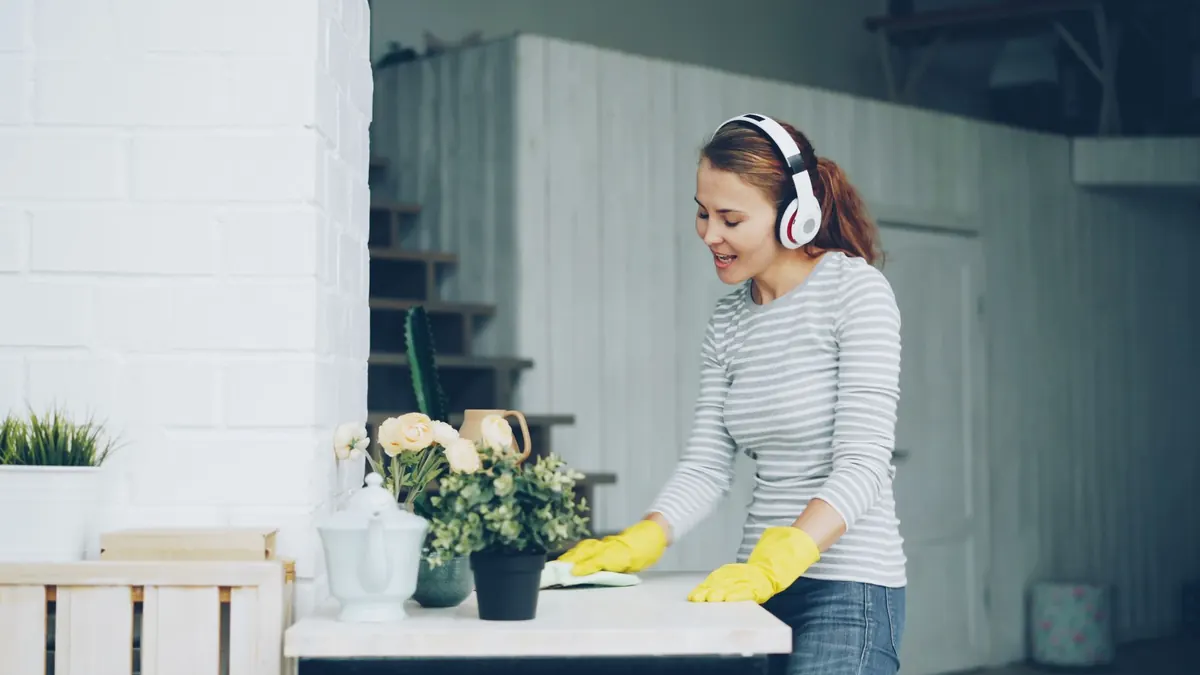
Pick fixed days if that helps you remember. Many people find that pairing cleaning with something else — a podcast, a favourite album, a phone call — makes it pass quickly.
Room by Room, Briefly
Kitchen
Grease is the main enemy, and warm water with washing-up liquid shifts most of it. Clean the hob while it is still slightly warm, not cold. Wipe cupboard fronts and handles, which get greasy without anyone noticing, and run a vinegar-and-water mix through the kettle every few weeks if you live in a hard water area.
Bathroom
Ventilation matters more than any product. Open the window or run the extractor fan during and after showers to keep mould and damp at bay. Squeegee or wipe the shower screen after use and you will rarely need to scrub it. If you rent and spot black mould spreading, report it to your landlord rather than painting over it.
Bedroom and living areas
Air the room when you get up, make the bed, and keep surfaces relatively clear so dusting takes seconds. Vacuum under the bed when you change the sheets, and give skirting boards a wipe every few weeks. If you have allergies or a respiratory condition, ask a pharmacist or your GP for advice tailored to your situation.
Small Habits That Save You Time
Clean as you go, and you will rarely need to set aside a whole morning. Keep a cloth and spray in the bathroom. Wash up before bed. Take the bin out before it smells. Put things away rather than moving piles from one surface to another.
It also helps to have somewhere for everything. Baskets for shoes, a tray for post, hooks for coats. Clutter makes a flat look dirty even when it is clean, and it makes actual cleaning much slower.
Where to Spend a Little More — and When to Ask for Help
If your budget is tight, save on sprays and cloths and spend on two things: a vacuum cleaner that works properly and a mop you do not dread using. Those two determine how often floors actually get cleaned.
Beyond that, remember what your tenancy asks of you. Check your inventory or agreement for anything specific about cleaning, and keep an eye on anything that looks like a maintenance problem — leaks, damp patches, broken seals — and report it early. Landlords are usually responsible for repairs, and small issues left alone become expensive arguments over deposits.
You do not need to be perfect. A tidy, reasonably clean flat that gets a proper going-over once a week will serve you far better than a cupboard full of products you never open.
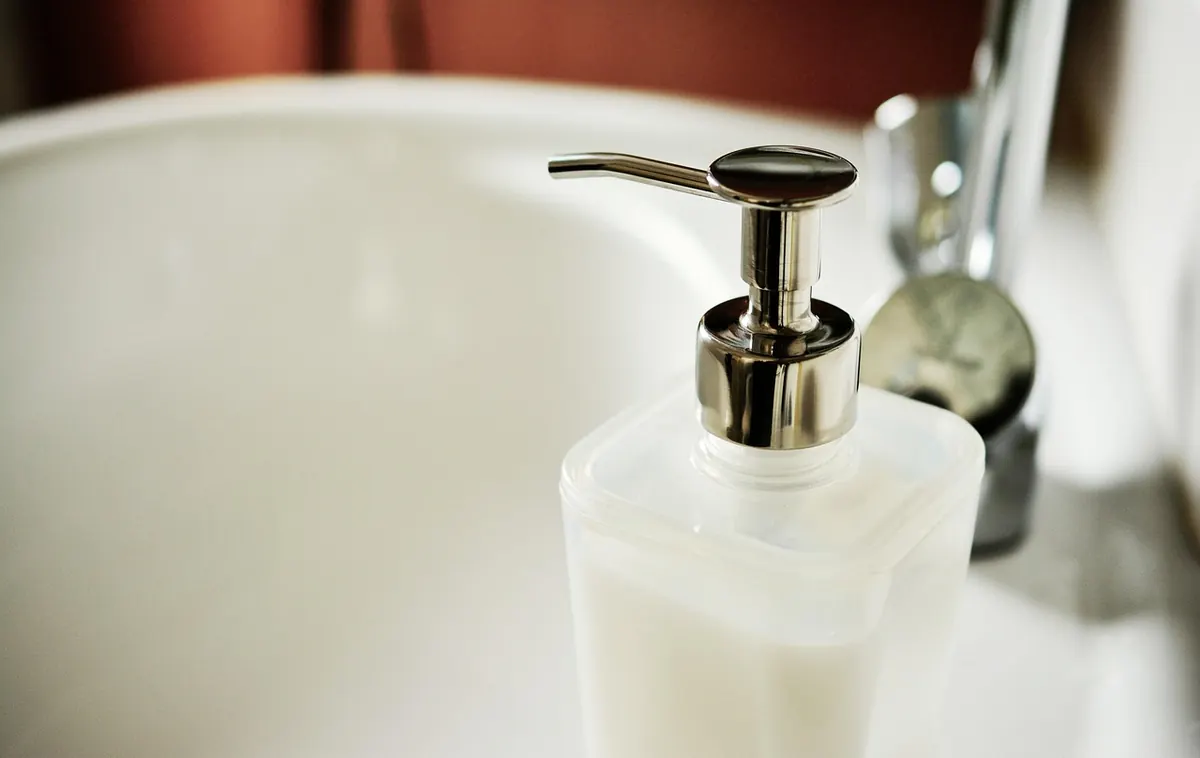
Photo: congerdesign / Pixabay